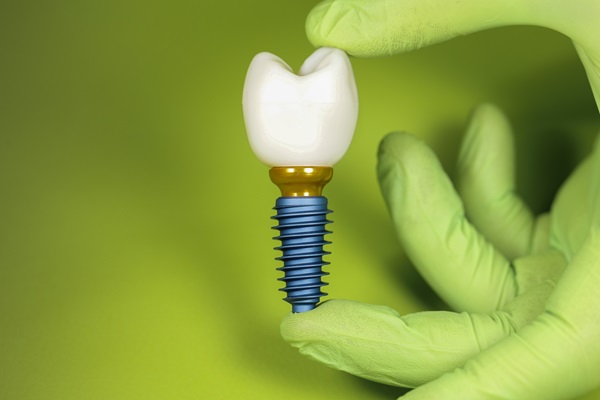
Getting tooth implants is not the final phase of an implant restoration procedure. The stage is simple, but the recovery period can be uncomfortable. This part of the implant process is the time for the mouth heals and fuses to the implant post. The following guide covers what to expect during recovery and the steps to take in the event of a complication.
Recovery after tooth implants
Placing dental implants is a major procedure; therefore, it is normal that patients will require downtime. The following symptoms are not the results of complications or adverse reactions. They are simply part of the recovery process, regardless of the type of tooth implants, whether single or full mouth implants. Patients need to practice good oral care and follow instructions.
Potential side effects after the procedure include:
- Fever
- Bleeding
- Inflammation
- Discomfort
- Dizziness
- Nausea or vomiting
Fortunately, most of these symptoms improve with adequate rest and patience.
Whether the dentist completes the procedure in one or multiple stages, patients may experience discomfort, as is the case with many dental procedures. The discomfort could be swelling of the face and gums, bruising of the gums and skin, pain around the implant area, and minor bleeding.
Pain relievers or antibiotics might be required after the implant procedure. If pain, swelling, or other symptoms worsen in the days after, patients should inform the dentist immediately. After each stage, it is advisable to eat only soft foods until the implant site heals completely. Typically, the dentist will use self-dissolving stitches; otherwise, they will remove them later.
The duration of recovery
Complete recovery from anesthesia takes a few hours. The stitches typically dissolve within a few days to about two weeks. The post-procedural symptoms will appear and disappear, and the next phase of recovery can start.
A process called osseointegration must occur before placing a permanent restoration. It takes longer for the upper jaw to fuse than the lower arch. This process can last from five to seven months.
Since every patient is different, it is hard to predict the precise duration of recovery. Factors that determine the rate of recovery include:
- The number and position of the implants
- The quality of oral care
- Smoking habits
- The need for a bone graft or sinus lift
- The timeline of the missing tooth
The more implants that the dentist places, the longer the healing time. The bone and gums experience significant stress during the procedure. The location is also crucial, as teeth in the lower jawbone often heal faster than those in the upper jawbone.
Proper oral hygiene before and during the implant procedure is crucial for quick recovery. However, smoking and other tobacco use can inhibit recovery, since nicotine causes constriction of the blood vessels and limits the free flow of blood. In the long-term recovery, it may even lead to implant failure.
Call our Santa Clara office to talk with our team
Do you have further questions for the Smiles for Life Dental Group team about recovery from tooth implant surgery? We are here to help. Call our Santa Clara office today for more tips on the healing process or to schedule a follow-up appointment.
Request an appointment here: https://www.smilesforlifedentalgroup.com or call Smiles for Life Dental Group at (408) 241-6501 for an appointment in our Santa Clara office.
Check out what others are saying about our dental services on Yelp: Tooth Implants in Santa Clara, CA.
Recent Posts
If a lost tooth is not replaced by replacement options like dental implants, you may find normal oral functions like eating and speaking somewhat challenging. The smile’s alignment and appearance will also be affected, but that is not all. Tooth loss causes bone deterioration. Dental implants can halt the progression of bone loss, but the…
While dental implant placement is one of the most effective ways to replace missing teeth, there are some scenarios in which these implants cannot be placed. Because dental implant placement requires surgery, there are a few general contraindications that may interfere with the procedure itself. When considering all of the tooth replacement options, it is important…
General dentists offer dental implants to patients with missing teeth to address cosmetic, functional and oral health concerns. Many patients do not know how to prepare for the consultation visit for multiple dental implants, and understanding useful questions to ask your general dentist is helpful. You may have specific questions that are important to you to…
Choosing dental implants is something many people are doing nowadays, as this tooth replacement option is one that offers benefits that no other replacement option can. According to WebMD, there are many advantages to dental implants, including improved appearance, improved speech, improved comfort, improved self-esteem, improved oral health, easier eating increased durability and convenience.Learning how…