October 25, 2026 · Dr. Pooja Goel, Smiles for Life Dental Group
Sleep Apnea Treatment Without CPAP: Your Options
Quick answer: Yes, obstructive sleep apnea can be treated without CPAP. The most common alternative is a custom oral appliance — a mouthguard-like device that holds the lower jaw forward to keep the airway open — recommended as a first-line treatment for mild to moderate sleep apnea and for severe sleep apnea when CPAP cannot be tolerated. Positional therapy, weight loss, nasal treatment and surgery are other options.
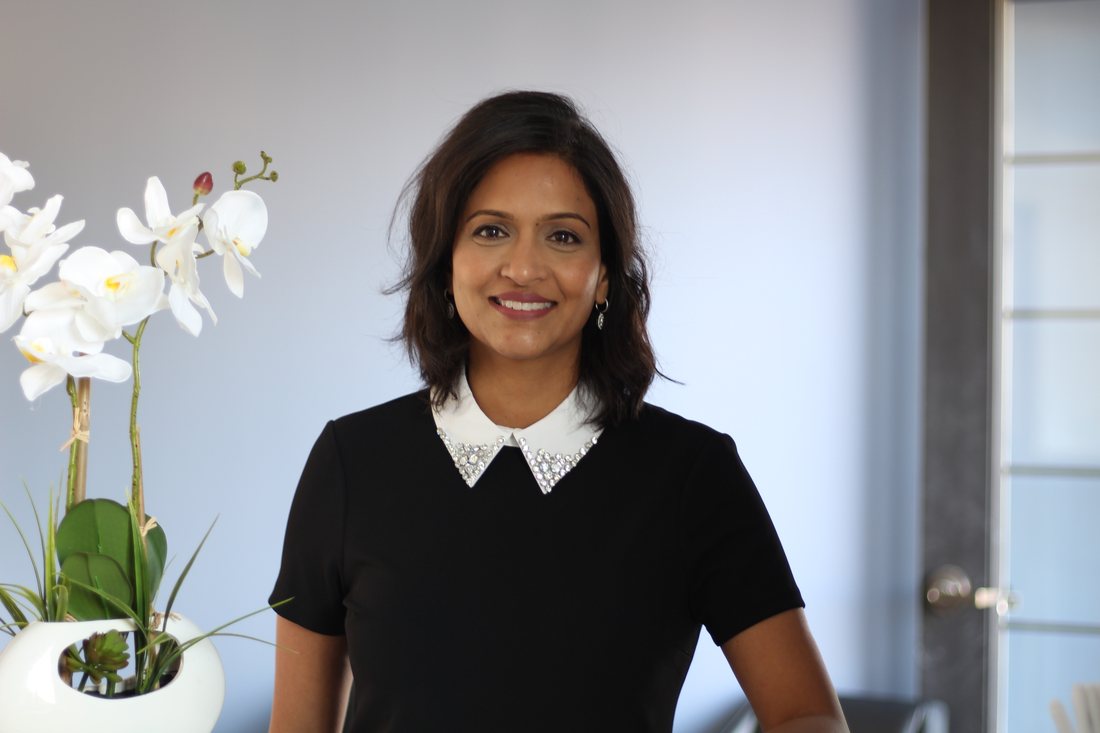
Many of the patients who come to see Dr. Pooja Goel have the same story: they were diagnosed with sleep apnea, were handed a CPAP machine, and could not get on with it. The mask leaked, the air pressure felt suffocating, the hose tangled, and eventually the machine went into a closet. Untreated sleep apnea does not go away, so here are the real alternatives.
1. Oral Appliance Therapy
A custom oral appliance is worn only while you sleep. It gently holds your lower jaw and tongue forward so the soft tissues at the back of the throat cannot collapse and block the airway. It is quiet, has no hose or power cord, and fits in a pocket for travel. The American Academy of Sleep Medicine recognizes it as an effective treatment for patients who prefer it or cannot tolerate CPAP.
A Diplomate of the American Board of Dental Sleep Medicine, like Dr. Goel, fits and adjusts these devices and works with your sleep physician. Read more about oral appliance therapy and how it compares in oral appliance vs. CPAP.
2. Positional Therapy
Some people have sleep apnea mainly when they sleep on their backs. For them, devices or techniques that keep them on their side can reduce breathing pauses. It works best when a sleep study shows the apnea is clearly position-related.
3. Weight Loss and Lifestyle
Extra weight around the neck narrows the airway, and losing weight can reduce the severity of sleep apnea. Avoiding alcohol and sedatives close to bedtime also helps, because they relax the throat muscles. These changes support treatment but rarely replace it on their own.
4. Treating Nasal Blockage
Allergies, a deviated septum or chronic congestion make it harder to breathe through the nose at night. Treating them can make sleep more comfortable and make other treatments work better, though it seldom cures sleep apnea by itself.
5. Surgical and Implanted Options
Ear, nose and throat surgeons offer procedures that remove or reshape tissue in the airway, and implanted devices that stimulate the nerve controlling the tongue. These are typically considered for selected patients after other treatments, and are discussed with an ENT surgeon and sleep physician.
Which Option Is Right for You?
It depends on how severe your sleep apnea is, the shape of your jaw and airway, your health, and what you will actually use every night. For most people who have struggled with CPAP, an oral appliance is the first alternative to try. Dr. Goel reviews your sleep study, examines your jaw and bite, and works alongside your sleep physician to match the treatment to you.
Oral appliance therapy is billed through medical insurance: see coverage for Aetna, UnitedHealthcare, Medicare, Kaiser and TRICARE.
Frequently Asked Questions
Questions about sleep apnea or snoring? Dr. Pooja Goel can help you find out what is going on.
Request an Appointment (408) 241-6501