September 14, 2026 · Smiles for Life Dental Group
Could Your Headaches Actually Be a TMJ Problem?
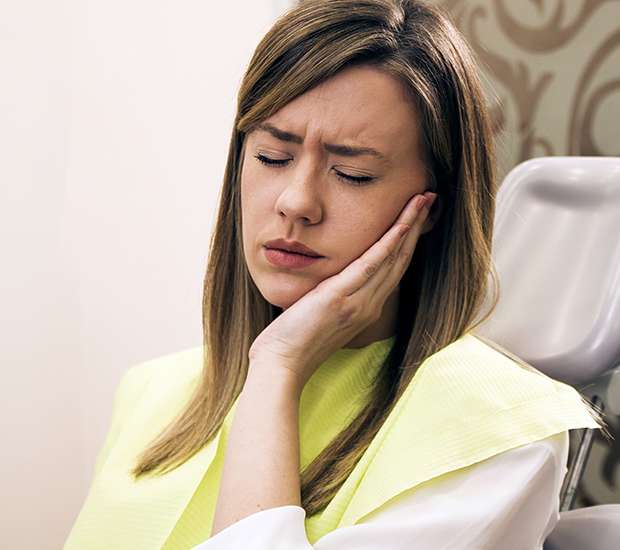
If you've been treating recurring headaches with over-the-counter pain relievers for months without lasting relief, the source may not be in your head at all — it may be your jaw. Pain from the temporomandibular joint (TMJ), the hinge connecting your jawbone to your skull just in front of each ear, is one of the most commonly missed causes of chronic headaches, because most people treat a headache as a headache and never think to ask a dentist about it.
Why a jaw joint can cause head pain
The muscles that control your jaw wrap up around your temples and connect into the same network of muscles and nerves involved in tension-type headaches and migraines. When the jaw joint is out of alignment, overworked from grinding, or under chronic tension, those muscles stay contracted — and that tension radiates outward as a headache, often centered at the temples, behind the eyes, or across the forehead. It's a different mechanism than a typical stress headache, which is why standard headache treatments so often fall short.
Signs your headaches may be TMJ-related
A few patterns tend to show up together in TMJ-related headaches:
- Headaches that are worse in the morning, often paired with a sore or tired jaw — a common sign of nighttime teeth grinding (bruxism)
- Pain or tenderness at the temples, or a dull ache behind the eyes
- A clicking, popping, or grinding sound when you open your mouth wide or chew
- Jaw stiffness or a jaw that occasionally feels like it's catching or locking
- Neck and shoulder tension alongside the headache
None of these on their own confirms TMJ as the cause — but if several sound familiar and standard headache treatment hasn't helped, it's worth having your jaw evaluated specifically, not just your head.
Why this is a dentist's area, not just a doctor's
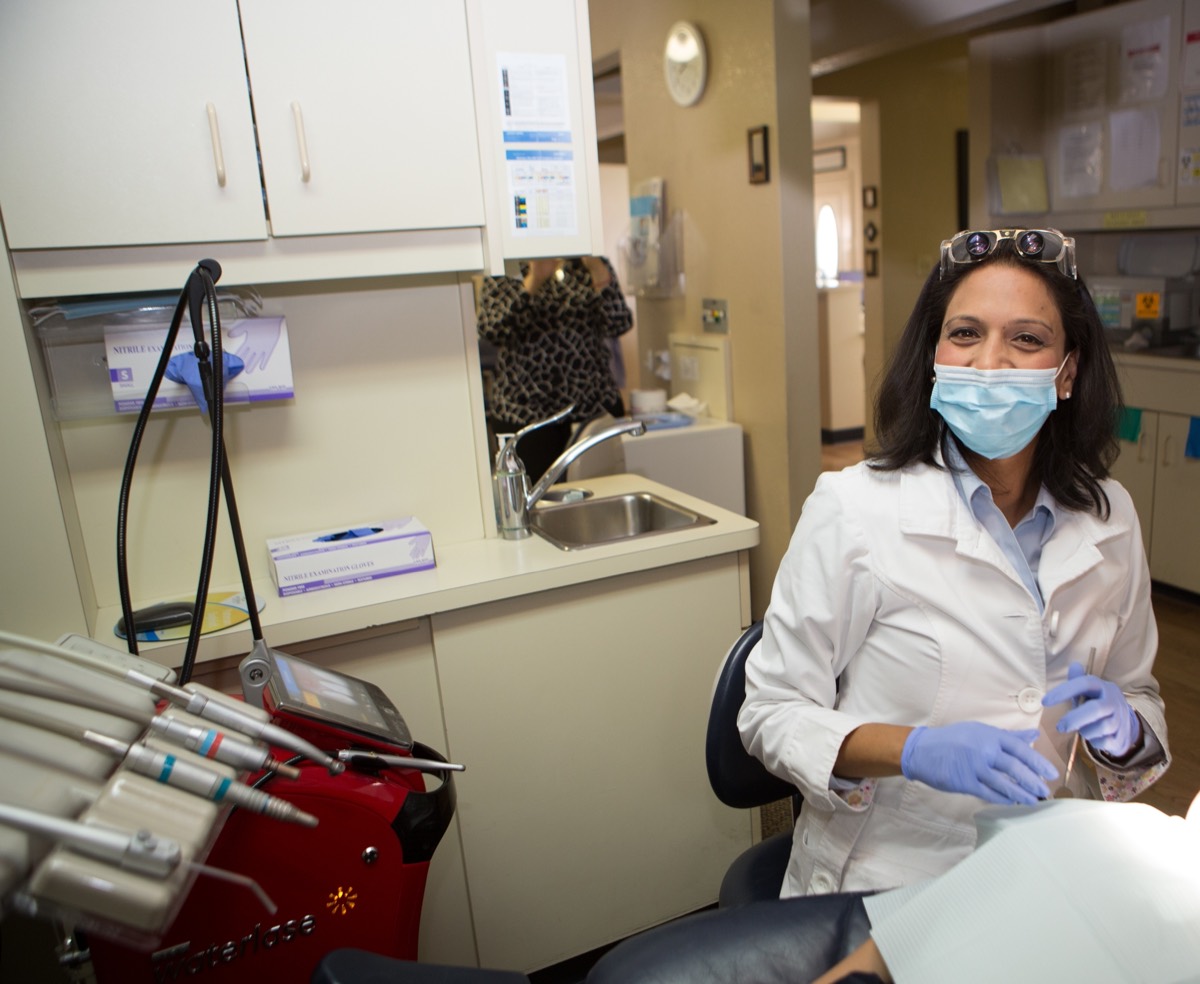
Most physicians are trained to rule out the serious causes of headache, but the jaw joint itself falls outside standard medical training — it's dental and craniofacial anatomy. Dr. Pooja Goel is a Diplomate of the American Academy of Craniofacial Pain, additional board certification specifically in diagnosing and treating TMJ disorders and the headaches that come with them. That's a different level of training than a general dentistry license alone, and it's why TMJ and craniofacial pain care is one of the two pillars of our practice alongside general dentistry.
What treatment actually looks like
Treatment starts with a real evaluation of your bite, jaw movement, and muscle tension — not a guess. Depending on what's driving the pain, options range from a custom night guard that stops nighttime grinding from overworking the joint, to targeted jaw exercises, to an oral appliance similar to the ones we use for sleep apnea — TMJ and sleep-disordered breathing often overlap in the same patients, since both can involve the same jaw positioning. Most patients notice a meaningful drop in headache frequency once the underlying jaw tension is addressed, rather than just the symptom.
Worth a conversation, not just another pain reliever
If headaches have become routine for you and nothing seems to fully resolve them, it's worth ruling your jaw in or out as the cause — especially if morning jaw soreness, clicking, or grinding sound familiar. Dr. Goel's dual training in dental sleep medicine and craniofacial pain means a single evaluation can look at both possibilities at once, rather than sending you to two different specialists to find out.
Request an appointment here: https://www.smilesforlifedentalgroup.com or call Smiles for Life Dental Group at (408) 241-6501 for a TMJ and headache evaluation in our Santa Clara office.
Living with recurring headaches or jaw pain? Dr. Pooja Goel can help you find out why.
Request an Appointment (408) 241-6501